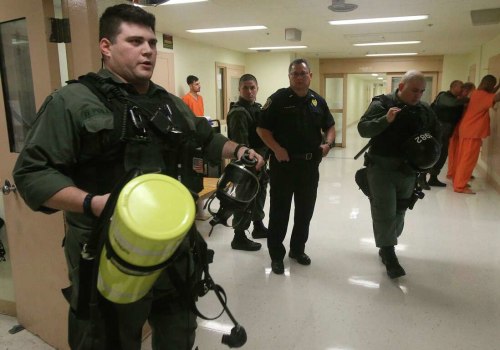
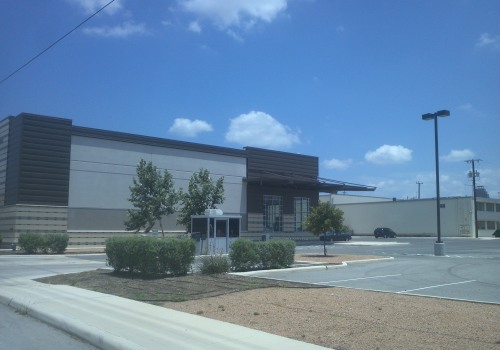
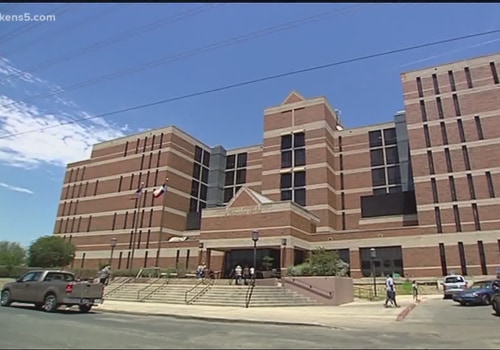
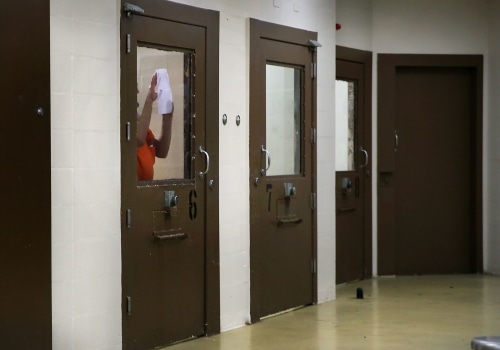
When people think about correctional facilities, they often focus on security procedures, inmate management, rehabilitation programs, and law enforcement operations. However, one of the less visible yet critically important aspects of facility management involves storage systems and asset tracking. At large institutions such as the Bexar County Correctional Facility, maintaining accurate records of equipment, supplies, personal property, and operational assets is essential for supporting daily functions. While these processes rarely receive public attention, they play a significant role in ensuring efficiency, accountability, and security throughout the facility.
Correctional facilities operate much like small communities, requiring a wide range of resources to support staff, inmates, healthcare services, food operations, maintenance departments, and administrative functions. Every item entering or leaving the facility must be accounted for, creating a need for highly organized storage systems and detailed inventory management procedures. Without these systems, operational disruptions could occur, affecting everything from routine maintenance to critical safety functions.
Managing Large Volumes of Assets
One of the primary challenges facing correctional facilities is the sheer volume of assets that must be managed. Daily operations depend on a diverse range of items, including uniforms, bedding, medical supplies, maintenance equipment, office materials, food service inventory, security tools, and technology resources. Each category requires its own storage protocols and tracking procedures to ensure availability when needed.
Asset management is not limited to facility-owned equipment. Correctional facilities must also maintain records associated with personal property that may be processed through intake and release procedures. Proper documentation helps ensure accountability and reduces the risk of misplaced or mishandled items. Maintaining accurate records is especially important in environments where transparency and chain-of-custody procedures are essential.
To support these functions, many facilities utilize inventory control systems that track the location, condition, and movement of assets. These systems help staff identify shortages, schedule maintenance, and allocate resources more effectively throughout the facility.
The Importance of Storage Organization
Storage areas within correctional facilities serve multiple purposes. They may house operational equipment, emergency supplies, maintenance materials, healthcare inventory, and administrative resources. Effective organization allows staff to locate needed items quickly and reduces delays that could affect daily operations.
Storage planning often involves considerations related to security, accessibility, and compliance requirements. Certain materials may require restricted access, while others must remain readily available for emergency situations. Balancing these needs requires careful coordination and ongoing oversight.
Well-organized storage systems also contribute to cost efficiency. By maintaining accurate inventory records, facilities can reduce waste, avoid unnecessary purchases, and identify opportunities to improve resource utilization. These benefits support long-term operational sustainability while helping ensure that critical supplies remain available when required.
Asset Tracking and Accountability
Asset tracking is closely connected to accountability. Correctional facilities must demonstrate that equipment and resources are being managed responsibly. Tracking systems provide documentation that supports audits, inspections, and internal reviews while helping staff monitor asset movement throughout the facility.
Organizations that specialize in logistics and inventory management understand the importance of maintaining accurate records and efficient handling procedures. Companies such as Mountain Movers Round Rock illustrate how transportation coordination, inventory tracking, and asset management can support large-scale operations involving valuable resources. Although correctional facilities operate in a very different environment, many of the same organizational principles help ensure operational efficiency and accountability.
Supporting Security and Operational Effectiveness
The relationship between storage management and facility security is often underestimated. Accurate inventory records help staff identify discrepancies, monitor resource usage, and ensure that equipment remains where it is intended to be. Effective asset tracking reduces uncertainty and contributes to a safer operating environment.
In addition, organized storage systems support emergency preparedness by ensuring that critical supplies can be accessed quickly when needed. Whether responding to maintenance issues, healthcare needs, or operational challenges, staff depend on reliable inventory systems to perform their responsibilities effectively.
An Essential but Often Unseen Function
While storage and asset tracking rarely attract public attention, they represent essential components of correctional facility management. Behind the daily operations of the Bexar County Correctional Facility are systems designed to organize resources, maintain accountability, and support operational efficiency. These processes help ensure that staff have access to the tools and supplies they need while contributing to the overall effectiveness and security of the facility. In many ways, the success of daily operations depends as much on these behind-the-scenes systems as it does on the more visible aspects of facility management.